
Choosing a mattress when you're sensitive to chemicals
If new furniture, carpets or a new mattress leave you with a headache, a stuffy nose or a "new" smell you can't escape, your bed is worth looking at first. You spend a third of your life in it, with your face a few centimetres from the surface.
This guide explains what conventional mattresses are usually made of, what a natural alternative is made of, and the questions to ask before you buy. It is general information, not medical advice. If you have been diagnosed with multiple chemical sensitivity (MCS) or allergies, talk to your doctor about your own triggers.
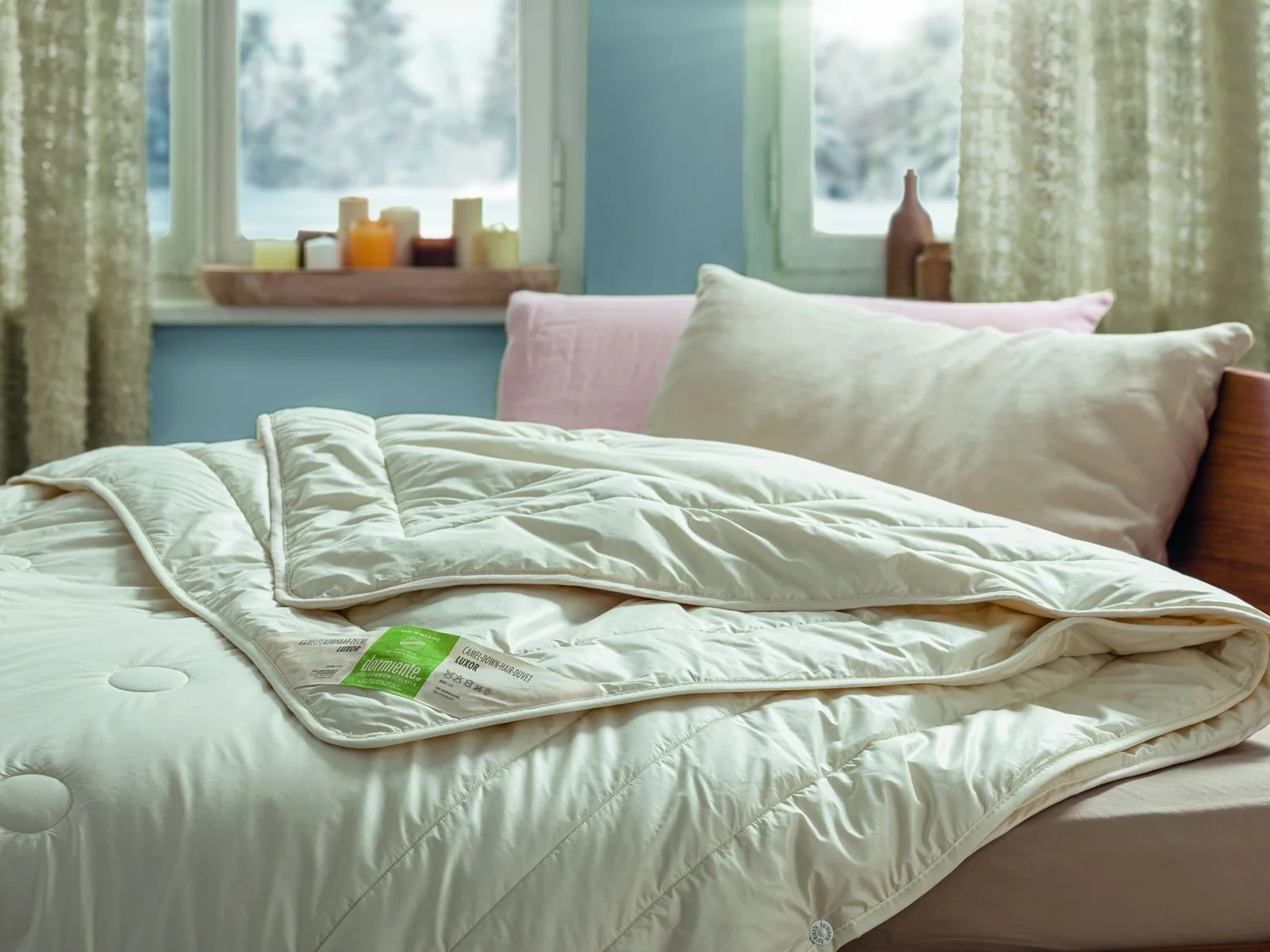
What's inside a conventional mattress
Most mass-market mattresses are built from synthetic materials:
- Polyurethane foam, including memory foam, made from petrochemicals.
- Adhesives to bond the foam layers together.
- Synthetic fabrics such as polyester in the cover and quilting.
- Flame-retardant treatments in some products, to meet fire-safety rules.
Many people notice a smell when a new foam mattress is unwrapped. That smell is often what sensitive sleepers react to first.
What a natural mattress is made of
Every mattress we sell is made to order by Dormiente in Heuchelheim, Germany. There is no polyurethane foam in any of them.
| Layer | What we use |
|---|---|
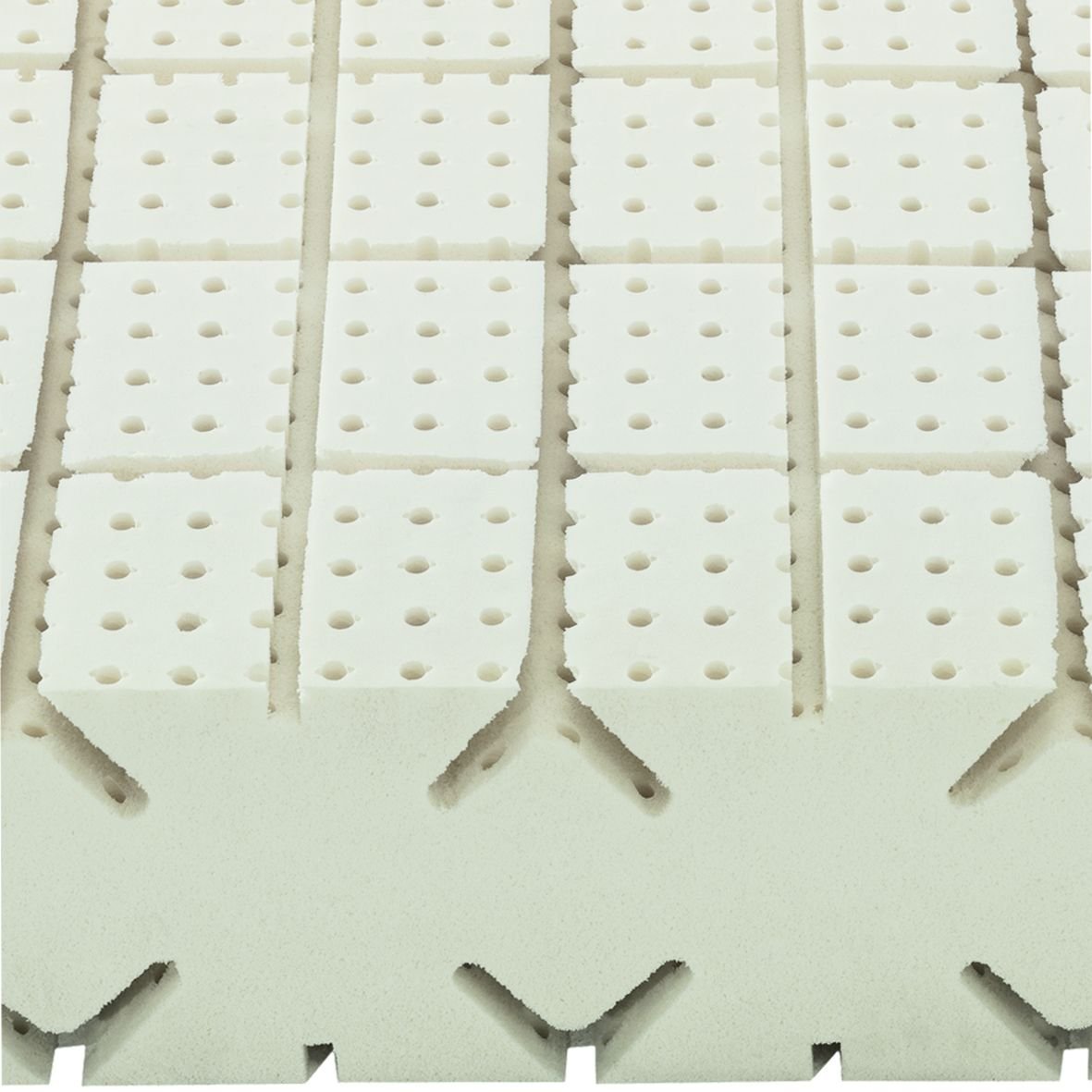
| Core | 100% natural latex, tapped from rubber trees |
| Cover | Organic cotton, with virgin wool quilting or a washable cover option |
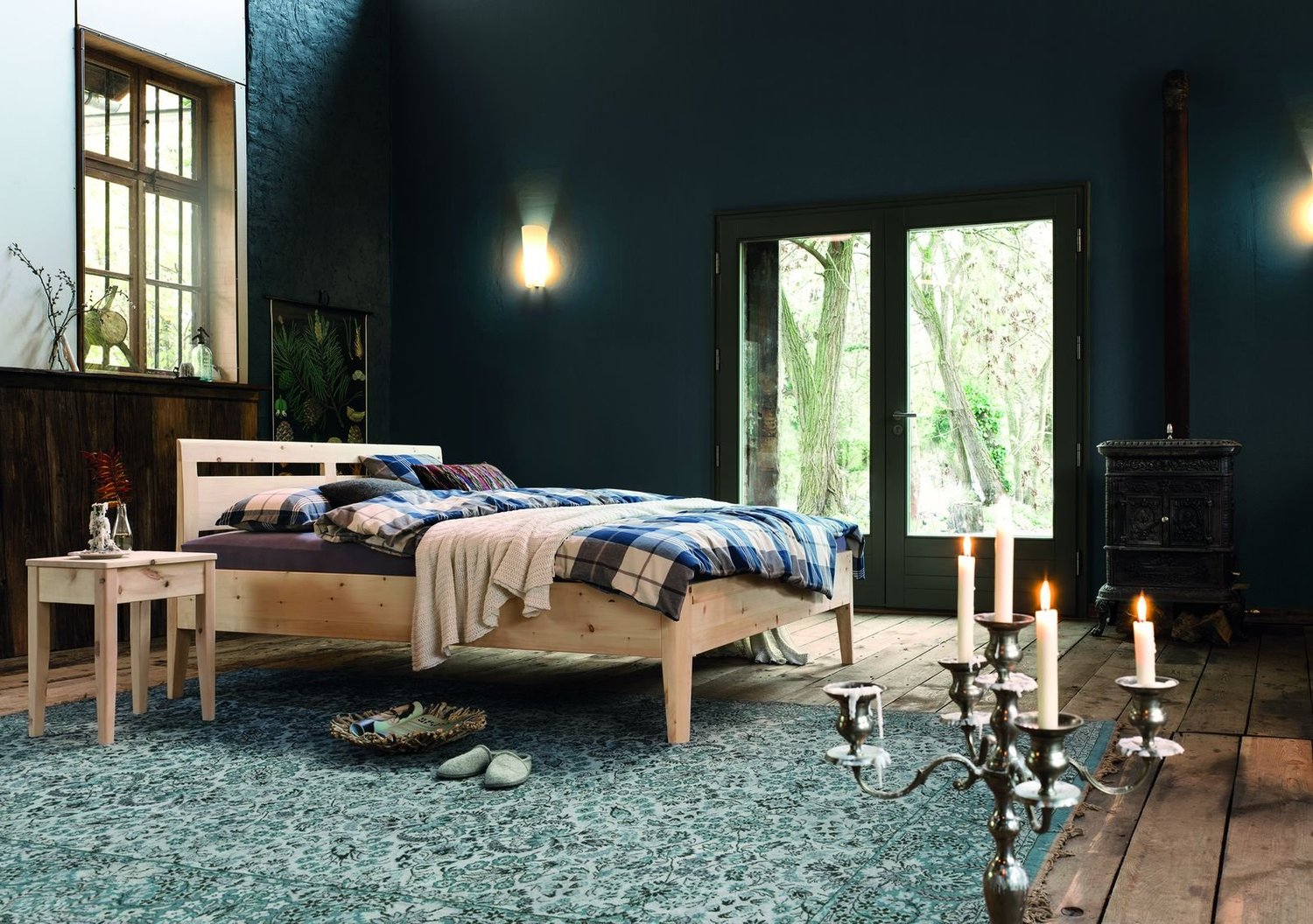
| Bed frame (if you need one) | Solid wood in oiled or untreated finishes. Some designs, such as Nuveo and Veteris, are made without any metal at all |
Dormiente's materials are pollutant-tested. Many ranges and covers also carry organic or natural-latex certification, such as GOLS for latex or GOTS for organic cotton, but not every range does, so ask us for the certificates for the exact model you're considering. In the Natural Eco range, offcuts of natural latex are bonded back together with natural latex itself.



Things sensitive sleepers should know
Natural doesn't mean right for everyone. A few honest points:
- Latex allergy. Natural latex comes from rubber trees. If you have a known latex allergy, speak to your doctor before buying, and ask us about a material sample to test first.
- Wool. Wool has a faint natural smell when new, and some people react to wool or lanolin. Washable cotton or hemp cover options are available on several ranges.
- Wood. Our untreated Swiss pine (Zirbe) beds have a strong natural scent that many people love. If smells are a trigger for you, choose oiled beech or oak instead, or ask us about it during your consultation.
- Airing. Even natural materials can smell faintly when unwrapped. Unwrap the mattress in a well-ventilated room and air it before first use.
How to choose, step by step
- List your triggers. Foam, perfumes, wool, wood scents, latex? This decides the materials you should avoid.
- Ask about samples. Ask us whether we can give you a piece of latex, wool or cover fabric to keep by your bed for a few nights before you decide.
- Talk it through. Book a free phone or video consultation and tell us what you react to. Our new showroom in County Wexford is coming soon, where you'll be able to smell and handle the materials in person.
- Choose your cover. Washable covers (WB1, WB2, Hemp Knit) can be washed at 60°C. Standard wool-quilted covers are dry-clean only.
- Think about the whole bed. Pillows, duvet and bed frame matter too. We offer natural latex pillows, hemp, lyocell, merino and camel duvets, and solid wood beds.
Questions
Frequently asked
Does a natural latex mattress have a smell?
A new latex core can have a faint, slightly sweet smell that fades with airing. It is different from the chemical smell many people notice with foam.
Is natural latex the same as synthetic latex?
No. Natural latex is tapped from rubber trees. Synthetic latex is made from petrochemicals. Many "latex" mattresses are a blend of the two. Ours are 100% natural latex.
Can I get a mattress without wool?
Yes. Several ranges come with washable cotton or hemp covers. Tell us at your consultation and we'll show you the options.
How long does delivery take?
Allow 6–8 weeks. Each mattress is made to order in Germany. Delivery and assembly anywhere in Ireland are included in the price.
Is this medical advice?
No. This page is general information. If you have MCS or allergies, check with your doctor about your own triggers.
Free, no pressure
Talk it through before you buy
Every sensitive sleeper is different. Book a free phone or video consultation and we'll go through the materials one by one.
Keep reading
More guides
Guide
Mattress sizes
Irish and European sizes side by side in centimetres, and what changes for your bed frame, sheets and room.
Read the guide
Guide
Latex vs memory foam
Feel, temperature, materials and price compared honestly, including who memory foam suits better.
Read the guide
Guide
How to choose a mattress
Seven steps from how you sleep to size, cover, base and budget, so you know what to ask for.
Read the guide